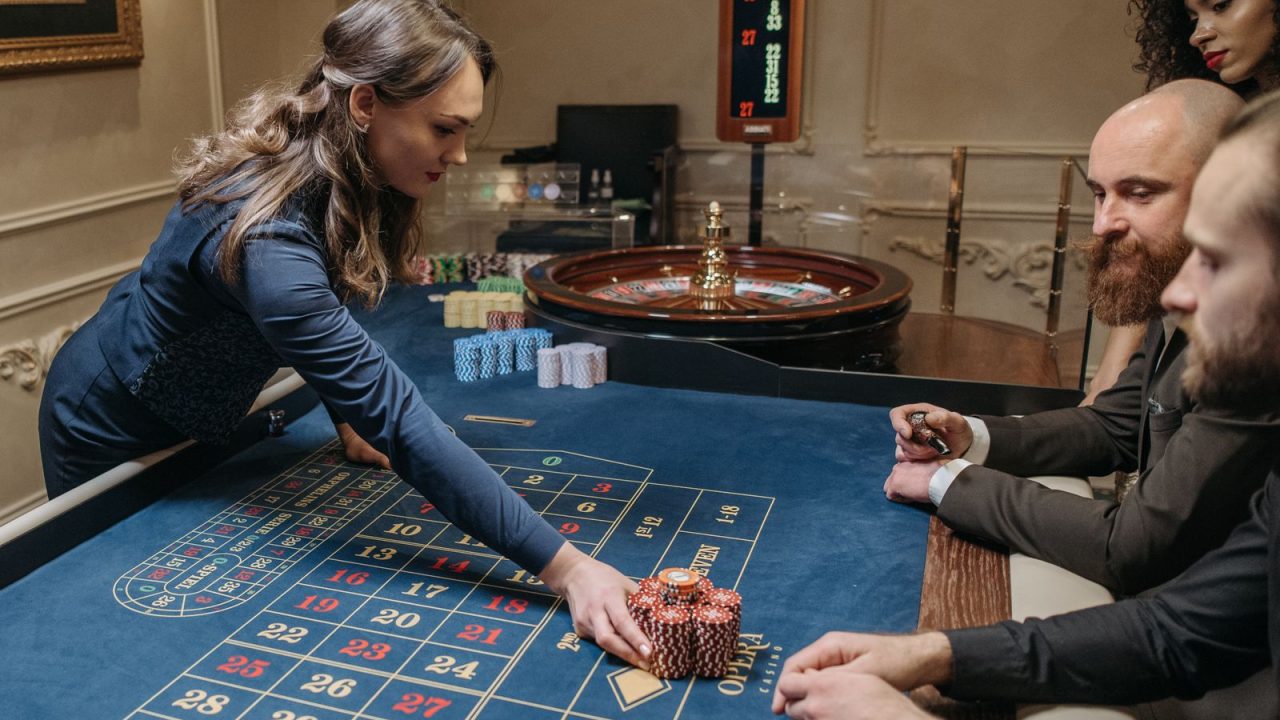
Live dealer games sit somewhere between an online slot and a night at a land-based casino. A real croupier deals real cards or spins a real wheel in a studio, the action is streamed to your screen, and you place bets through an on-screen layout. With licensed online casinos due to operate in New Zealand from the end of 2026, live tables will be one of the main game categories Kiwis see. This guide covers how the technology works, the main game types, what table limits and seat rules mean, and how to keep live play under control.
How a live casino stream works
Live games are produced in dedicated studios, often with several tables running side by side. Each table has a dealer, several cameras and equipment that reads the result of each round automatically. Card shoes and roulette wheels are fitted with sensors or use optical character recognition, so the system knows which card was dealt or where the ball landed without anyone typing it in. That result is sent to the betting interface on your screen, which settles your bets.
| Component | What it does |
|---|---|
| Dealer | Runs the game in real time, often chats with players through the stream |
| Cameras | Show the table from several angles, with close-ups for card reveals and the ball landing |
| Recognition system | Reads each card or wheel result and passes it to the game server |
| Game server | Accepts bets, closes betting at the right time and settles results |
| Betting interface | The layout on your screen, with timers, history and chat |
| Studio supervision | Floor staff and monitoring that oversee game integrity |
Because the result comes from physical cards and wheels, live games are not driven by a random number generator in the same way as a digital slot. The fairness question becomes one of studio procedures, equipment and supervision, which is why regulators require games and studios to be tested and approved.
The main live game types
Live blackjack
The classic format seats a fixed number of players, usually seven, at one table. Each player makes their own decisions while the dealer follows fixed rules. When tables are full, many studios offer a “bet behind” option, where you wager on another seated player’s hand without controlling it. Some variants use a common draw, where everyone shares the same starting cards and makes their own decisions, so there is no seat limit.
Live roulette
Live roulette uses a physical wheel, usually single zero. The edge on standard bets is the same as on any single-zero wheel: 2.70%. Variants with random multipliers on certain numbers change the payouts on straight-up bets, so the published return can differ from the standard figure. Always check the game’s help screen.
Live baccarat
Baccarat is popular in live studios because rounds are quick and there are no player decisions after the bet. The Banker bet carries a 1.06% house edge with the usual 5% commission. Some tables add a “squeeze”, where the dealer reveals cards slowly for drama. Our baccarat guide covers the rules and side bets in detail.
Live poker variants
These are house-banked games such as Casino Hold’em, where you play against the dealer rather than other players. Each has its own pay tables and edge.
Game shows
Wheel-based and bonus-round shows, styled like television game shows, are a fast-growing category. They use presenters, big wheels and multipliers. Their returns vary a lot by game and by bet, and some bets carry much lower returns than others. Read the payout table before you play.
| Game | Player decisions? | Typical pace | Edge on main bet (standard rules) |
|---|---|---|---|
| Blackjack | Yes | Slow | Around 0.5% with basic strategy |
| Roulette (single zero) | Bet choice only | Slow to moderate | 2.70% |
| Baccarat | Bet choice only | Moderate | 1.06% (Banker) |
| Casino poker variants | Some | Moderate | Varies by game |
| Game shows | Bet choice only | Varies | Varies widely by bet |
Table limits, seats and timers
Every live table has a minimum and maximum bet, shown in the lobby and on the table screen. Low-limit tables are good for learning; high-limit tables are a quick way to burn through a budget. Betting windows run on a countdown timer, often only a few seconds long. If you miss the window, your bet is not placed for that round.
Pick a table where the minimum is a small share of your budget. If your session budget is $50, a $25 minimum means two hands and you are done. A $1 to $2 minimum gives the session room to breathe.
Why live tables can be easier to pace
Compared with digital slots, live games are slow. A live roulette round includes betting time, the spin and settlement. A blackjack hand waits for every seated player. Fewer rounds per hour means a lower expected cost per hour at the same stake, provided you do not raise your stakes to compensate.
The catch is that slowness tempts some players to open several tables at once or to bet more per round. Both erase the advantage. One table, one flat stake, is the simplest way to keep live play affordable.
Connection and device tips
- A stable connection matters more than raw speed. Dropouts during a hand are frustrating, though the round normally still settles on the server.
- Most live interfaces adjust stream quality automatically. Lower it manually if the picture stutters.
- On mobile, landscape mode usually gives a better view of the table and layout.
- Check the casino’s policy on disconnections in its terms, so you know how unfinished rounds are handled.
Chat and etiquette
Most live tables have a text chat. Dealers can read it and will often respond. Chat is moderated, and abusive messages can get you removed from the table. Keep personal details out of chat; it is visible to other players.
What to check at a licensed site
- The licence. From 1 December 2026, check DIA’s public register and look for the registration icon.
- The game rules. Each live table has a help screen with rules, payouts and RTP.
- The table limits. Make sure the minimum suits your budget.
- Your limits. Set a deposit limit and a session time limit before you sit down.
- The disconnection policy. Know what happens if your connection drops.
Why players like live tables
- Real cards and wheels you can watch
- Slower pace than slots
- Social feel with dealer interaction
- Low-edge games like blackjack and baccarat
What to watch out for
- Short betting timers can rush decisions
- Side bets with high house edges
- Temptation to play several tables at once
- Game shows with widely varying returns
Live table terms
- Bet behind: a wager on another player’s blackjack hand when all seats are taken.
- Common draw: a blackjack format where all players share the same starting cards.
- Betting window: the countdown during which bets are accepted.
- Shoe: the box holding the shuffled decks used at card tables.
- Multiplier: a random boost applied to certain outcomes in some variants.
- Table limits: the minimum and maximum stake allowed per bet.
Knowing these terms makes the lobby easier to read and helps you pick a table that suits your budget and pace.
Live casino and the New Zealand rules
Under the Online Casino Gambling Act 2026, live dealer games are part of online casino gambling, so they fall within DIA’s licensing regime. From 1 December 2026, only licensed operators may offer them to New Zealanders. Our licensing guide explains the timeline.
If live games or any form of gambling are becoming hard to control, the Gambling Helpline is free on 0800 654 655, 24/7, or visit gamblinghelpline.co.nz. Our safer gambling tools guide explains limits and self-exclusion.